
 Padmavati Satta Matka Results refers to historical result information associated with the Padmavati market, including available jodi, panel, and previous chart records. This page is intended as an informational reference for visitors looking for satta matka results, Padmavati chart data, and older records in one organized location.
What Are Padmavati Satta Matka Results?
Padmavati Satta Matka results are historical records associated with the Padmavati market. Depending on the chart format, a result page may contain date-wise entries, jodi information, panel or patti details, and other previously published records.
The purpose of a historical chart is to make information easier to locate. Instead of searching through many separate pages, visitors can use a structured chart to find records associated with particular dates.
For Sattamatkahub, the focus of this page is informational: helping visitors understand and navigate historical chart information rather than presenting previous records as a way to guarantee future outcomes.
How Can You Check Padmavati Satta Results?
You can check Padmavati historical results by opening the relevant chart and locating the date you want to review. Always confirm the market name and date before reading the corresponding record.
A simple approach is:
- Open the Padmavati chart page.
- Locate the relevant date.
- Check the available result information.
- Review jodi or panel details where provided.
- Compare records only as historical information.
- Verify the date before drawing any conclusions.
This method is particularly useful when a chart contains many previous entries. A date-first approach is much less confusing than randomly scanning a long table.
What Is a Padmavati Satta Live Result?
The phrase Padmavati Satta live result generally refers to information presented as a current or recently updated result. Current information should always be distinguished from historical chart records.
A historical chart shows previous entries, while a live or current-result section is intended to display the latest available information. The two should not be mixed without clearly identifying the relevant date and status.
Because result information can change or be updated, visitors should rely on the latest published information available on the relevant page rather than assuming an older chart entry is current.
What Is a Padmavati Satta Matka Panel Chart?
A Padmavati Satta Matka panel chart is a chart format that focuses on panel or patti information associated with the Padmavati market. Panel records generally use three-digit combinations and are commonly displayed alongside date information.
For beginners, the terminology can sound complicated. The basic distinction is useful:
- Jodi: generally a two-digit combination.
- Panel/Patti: generally a three-digit combination.
- Open: an opening-side field shown in a relevant result format.
- Close: a closing-side field shown in a relevant result format.
- Chart: an organized collection of historical records.
The exact layout may differ between websites, so readers should follow the labels used on the particular chart they are viewing.
How Does a Padmavati Panel Chart Help With Historical Records?
A panel chart helps organize three-digit historical records so visitors can locate earlier entries more easily. Date-wise organization is especially useful when reviewing a large number of records.
A clear panel chart can include:
- Date
- Market name
- Panel or patti entry
- Related jodi information
- Other available result fields
Readers should check the complete three-digit entry rather than relying on memory. One digit can make an entirely different record.
What Is a Padmavati Jodi Chart?
A Padmavati jodi chart focuses on two-digit jodi information associated with historical records. It can help visitors find previous jodi entries without having to read the entire chart.
A jodi chart is best treated as a historical reference. Previous appearances of a particular combination do not establish that the same combination will appear again.
This distinction matters because historical frequency can sometimes look more meaningful than it actually is. A chart records previous information; it does not turn that information into a guaranteed forecast.
What Information Can a Padmavati Chart Contain?
A Padmavati chart can organize different types of historical information depending on the records available. The most useful chart pages make the date and record type easy to identify.
| Chart Information | General Purpose |
|---|---|
| Date | Identifies the historical entry |
| Jodi | Displays available two-digit information |
| Panel/Patti | Displays available three-digit information |
| Open | Shows the relevant opening-side field |
| Close | Shows the relevant closing-side field |
| Historical Record | Helps locate previous entries |
Not every chart will contain every field. The table describes common terminology rather than claiming that every Padmavati record uses the same format.
Why Do Visitors Search for Satta Matka Results?
People searching for satta matka results may be looking for current information, previous records, chart history, or explanations of terms used on result pages.
Historical chart pages can be useful because they bring related information together. Instead of visiting several pages for different dates, readers can often find a larger record in one location.
For an informational website, the priority should be clear presentation. Dates, market names, and chart fields should be easy to understand without exaggerated claims.
What Is the Difference Between Current Results and Old Chart Records?
Current results and old chart records serve different purposes. Current results refer to the latest available information, while historical charts contain records from previous dates.
| Feature | Current Result | Historical Chart |
|---|---|---|
| Time period | Latest available entry | Previous dates |
| Main purpose | Check current information | Review historical records |
| Common fields | Result information | Jodi, panel and other records |
| Date importance | Very high | Very high |
| Future prediction | Not guaranteed | Not guaranteed |
Keeping these two categories separate prevents readers from confusing an older entry with current information.
How Should You Read Padmavati Historical Chart Data?
Padmavati historical data is easiest to read when you work through the chart systematically. Start with the date and market name, then examine the specific result fields attached to that entry.
A practical way to read the chart
1. Confirm the market.
Make sure the page refers to Padmavati and not another market.
2. Check the date.
Identify the exact date attached to the record.
3. Read the relevant fields.
Look at jodi, panel, open, close, or other information provided.
4. Cross-check the entry.
Make sure the numbers belong to the correct date.
5. Keep historical information separate.
Do not interpret an old record as a guaranteed future result.
This approach is simple, but it prevents many common reading mistakes.
What Do Terms Like Matka Satta and Satta Matka Mean?
Searches for Matka Satta, Matka satta, and Satta matka commonly refer to terminology surrounding the broader Matka market and its result or chart pages.
Different websites may use these phrases interchangeably in titles and searches. However, from an SEO and information standpoint, a page should still make its specific subject clear.
For this page, the specific subject is the Padmavati market and its historical chart information. Broad phrases should not replace the market-specific topic.
What About “Play Matka Online” and Similar Searches?
Phrases such as Play matka, Play satta, Play satta matka, Play online matka, Matka online, and Satta matka play online are search terms associated with online participation in Matka-style gambling.
They should not be treated as instructions or endorsements on an informational chart page. Historical result information is different from promoting or facilitating gambling activity.
The same applies to phrases such as Play Kalyan matka, Play Kalyan matka online, Matka Kalyan online, and Kalyan Satta online. These terms relate to another market/topic and should not be presented as part of Padmavati’s historical data.
For a focused Padmavati page, market-specific chart information is more relevant than unrelated Kalyan search phrases.
Why Should Padmavati and Kalyan Chart Pages Stay Separate?
Padmavati and Kalyan are different market topics, so their chart pages should remain clearly separated. Mixing terms such as Kalyan matka, Matka Kalyan, and Padmavati results throughout one page can make the content confusing for readers and weaken its topical focus.
A cleaner website structure would look like:
- Padmavati → Padmavati Chart
- Padmavati → Jodi Chart
- Padmavati → Panel Chart
- Kalyan → Kalyan Chart
- Kalyan → Jodi Chart
- Kalyan → Panel Chart
This structure gives each market its own focused information and makes navigation easier.
Can Historical Padmavati Results Predict Future Results?
No. Historical Padmavati results cannot reliably predict or guarantee a future result.
A previous number appearing repeatedly does not prove that it will appear again. Likewise, a number that has not appeared recently is not automatically more likely to occur next.
For this reason, historical chart information should be described accurately as past data and reference information, not as a guaranteed prediction system.
How Can Sattamatkahub Make the Padmavati Chart Easier to Use?
A useful chart page should make historical information easy to find without unnecessary clutter. Visitors should be able to understand the page within a few seconds.
Helpful features include:
- A clear H1 heading
- Date-wise historical records
- Easy-to-read chart formatting
- Separate jodi and panel information
- Clear market identification
- Links to related chart pages
- Explanations of unfamiliar terms
- A concise FAQ section
Simple navigation often beats flashy design. If readers cannot find the date they need, the fanciest chart in the world will not rescue the page.
Frequently Asked Questions
What are Padmavati Satta Matka Results?
Padmavati Satta Matka Results refers to historical result information associated with the Padmavati market. Depending on the chart, this may include date-wise, jodi, panel, open, and close information.
What is a Padmavati Satta Matka Panel Chart?
It is a chart that organizes available three-digit panel or patti information associated with Padmavati market records.
What is a Padmavati Satta Live Result?
The term generally refers to current or recently updated Padmavati result information. It should be distinguished clearly from older historical chart records.
Can old Padmavati results predict future results?
No. Previous results are historical records and cannot reliably guarantee or determine a future result.
What is the difference between a jodi and panel record?
A jodi generally refers to a two-digit combination, while a panel or patti generally refers to a three-digit combination in the relevant chart format.
Practical Takeaway
Use the Padmavati chart as a clear reference for historical records. Check the market name and date carefully, distinguish current information from old records, and treat jodi and panel data as historical information rather than a guaranteed way to predict future outcomes.

Other Articles
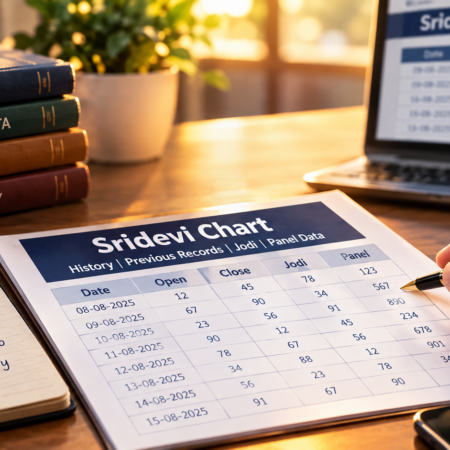
Sridevi Chart: History, Previous Records, Jodi and Panel Data

No Comment! Be the first one.