

The Milan Morning Chart provides an organized way to review historical number records, previous results, Jodi combinations, and Panel information related to the Milan Morning market. Instead of searching through scattered records, readers can use a structured chart to browse historical information in a simple and readable format.
For users interested in Milan Morning results, charts can make previous records easier to locate and compare. A properly organized archive can include Jodi numbers, Panel combinations, previous results, and other historical information in chronological order. This makes the chart useful as a reference for readers who want to understand how historical records are presented.
It is important to remember that historical chart information represents previous records only. Past numbers and patterns should not be treated as guarantees or predictions of future results.
What is Milan Morning Chart?
The Milan Morning Chart is a structured historical record that organizes previously published Milan Morning numbers and related information. Depending on the chart format, readers may find previous results, Jodi records, Panel numbers, and other archived data arranged in an easy-to-read format.
Chronological organization makes it easier to locate records from different dates. Instead of reviewing information randomly, users can follow the chart and compare previous entries according to their date or market session.
For beginners, understanding the difference between Jodi and Panel records can also make the chart easier to read.
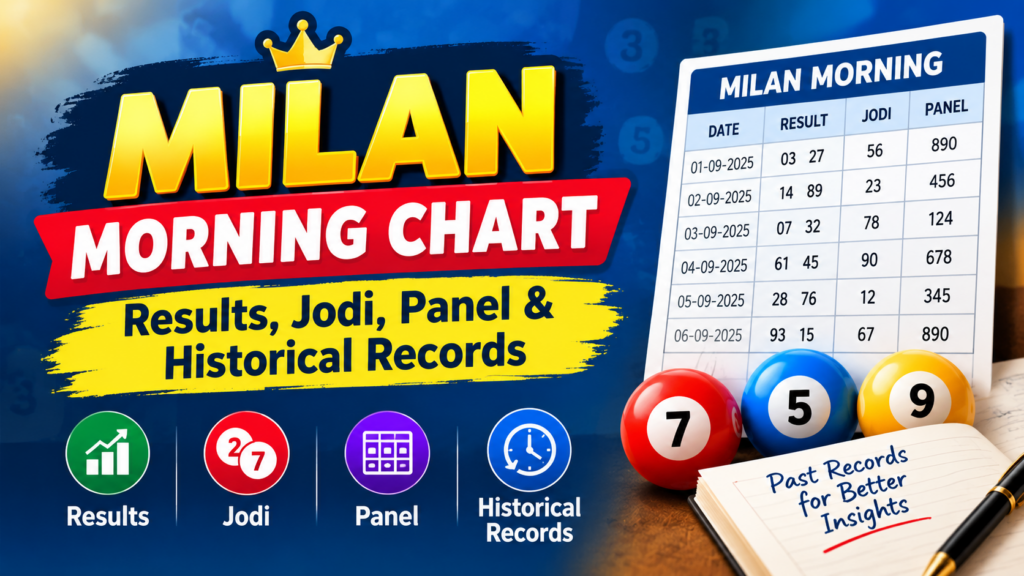
Milan Morning Jodi Chart
The Milan Morning Jodi Chart focuses on historical Jodi combinations associated with the market. Jodi generally refers to a two-digit combination displayed as part of a result record.
A structured Jodi chart can help readers:
* Review previous Jodi records
* Compare historical combinations
* Locate records by date
* Browse archived results
* Understand the organization of historical data
The purpose of presenting these records is to make historical information easier to access and review. Previous Jodi combinations should not be interpreted as reliable indicators of future outcomes.
Milan Morning Panel Chart
The Milan Morning Panel Chart organizes historical Panel records in a structured format. Panel information can contain three-digit combinations associated with previous market results.
An organized Panel chart allows readers to browse earlier records without having to search through multiple pages or disconnected information.
A useful Panel chart generally focuses on:
* Previous Panel records
* Date-wise information
* Historical combinations
* Organized result archives
* Easy-to-read formatting
Keeping Panel records in chronological order can make historical information easier to navigate and reference.
Why Use Milan Morning Historical Records?
Historical records provide a convenient way to review previously published information. Readers who want to understand past Milan Morning results can use an organized archive instead of relying on incomplete or scattered records.
The main benefits of a structured historical chart include:
Easy navigation: Records can be located more quickly.
Chronological organization: Previous entries can be reviewed according to date.
Better readability: Structured formatting makes information easier to understand.
Simple comparison: Users can compare different historical entries.
Centralized information: Related records can be presented in one location.
Historical information is useful for reference and record-keeping, but it does not guarantee what may happen in the future.
How to Read Milan Morning Chart?
Reading a Milan Morning Chart becomes easier when the information is arranged in a consistent format. First, identify the date or historical period you want to review. Then locate the corresponding result information in the chart.
Depending on the chart structure, you may see different sections for:
Jodi: Two-digit historical combinations.
Panel: Three-digit historical combinations.
Result: The recorded result associated with a particular date.
Date: The day or period connected with the historical entry.
Understanding these basic terms can help beginners navigate the chart more comfortably.
Milan Morning Result History
The Milan Morning Result History section can provide access to previous recorded results in chronological order. Historical result archives are particularly useful when users want to check information from earlier dates.
A well-maintained archive should prioritize clarity and consistency. Each record should be presented in a way that allows readers to understand the relevant date and associated information without unnecessary confusion.
Readers can use historical result pages as a reference for previously recorded data. However, historical results should always be viewed as records of past events rather than predictions.
Why Chronological Milan Morning Records Matter?
Chronological organization is one of the most useful features of a historical chart. When records are arranged according to date, users can move through previous entries systematically.
For example, readers may want to review:
* Recent historical records
* Older result entries
* Monthly archives
* Previous Jodi combinations
* Previous Panel combinations
* Date-wise result information
A consistent chronological structure makes this information easier to browse and compare.
Milan Morning Chart Online
Users searching for Milan Morning Chart online generally want quick access to organized historical records. An online chart can provide a convenient reference point where users can review available information without manually collecting records from different sources.
A user-friendly online chart should have:
* Clear headings
* Easy navigation
* Readable tables or lists
* Organized historical records
* Consistent formatting
* Mobile-friendly presentation
These elements improve the overall browsing experience and make historical information easier to access.
Check Milan Morning Chart Historical Data
Readers can check Milan Morning Chart information to review available historical records and previously published combinations. When checking historical data, it is useful to focus on the date and the corresponding recorded information.
Users should also verify that they are looking at the correct market and date. Similar market names or different market sessions can sometimes create confusion, especially for new readers.
A clearly labeled chart helps reduce this confusion by keeping market-specific records organized.
Milan Morning Chart and Previous Records
Previous records form the foundation of a historical chart. By maintaining earlier entries in an organized archive, readers can access information from different periods more conveniently.
The archive may contain:
* Previous Milan Morning results
* Jodi history
* Panel history
* Date-wise records
* Monthly historical information
* Other relevant chart data
Keeping these records structured can improve long-term accessibility.
Benefits of a Clean Milan Morning Chart
A clean chart design can make a significant difference to the reading experience. When information is properly spaced and organized, users can find relevant records more efficiently.
Important presentation features include:
Clear Headings
Separate headings help readers understand whether they are viewing Jodi, Panel, result, or historical information.
Consistent Formatting
Using the same format for dates and numbers throughout the chart improves readability.
Chronological Records
Date-wise organization allows users to move through historical entries systematically.
Simple Navigation
A straightforward page structure helps users find the information they need without unnecessary steps.
Mobile-Friendly Layout
Many users access online information through smartphones, so responsive formatting can make the chart easier to use on smaller screens.
Historical Patterns in Milan Morning Chart
A historical chart may make repeated or similar number combinations visible when previous records are displayed together. This is one reason readers often review archived data over longer periods.
However, seeing a recurring combination in historical records does not establish that the same combination will occur again. Random outcomes cannot be reliably determined from previous records alone.
Therefore, historical patterns should be understood as part of record review rather than as a guaranteed method for determining future results.
Why Choose an Organized Milan Morning Chart?
An organized Milan Morning Chart brings related historical information into a single, structured format. This can save readers time and provide a more convenient way to review previous records.
Instead of searching for individual entries across different pages, users can browse a dedicated chart and locate information according to the available structure.
The combination of historical results, Jodi records, Panel information, and chronological organization can create a useful reference resource.
Milan Morning Chart at SattaMatkaHub
SattaMatkaHub provides chart-focused information designed to help readers access organized historical records. The Milan Morning chart can serve as a reference for users looking for previous results, Jodi information, Panel records, and related historical data.
The focus of a chart page should remain on clear presentation and easy access to available records. Readers can use the information for historical reference and comparison while keeping in mind that past records do not guarantee future results.
Frequently Asked Questions
Q1. What is Milan Morning Chart?
Milan Morning Chart is an organized historical record containing previously published Milan Morning results and related information. Depending on the chart, it may include Jodi, Panel, and date-wise historical records.
Q2. What is Milan Morning Jodi Chart?
Milan Morning Jodi Chart presents historical two-digit Jodi combinations in an organized format. It helps readers review and compare previously recorded Jodi information.
Q3. What is Milan Morning Panel Chart?
Milan Morning Panel Chart organizes historical three-digit Panel combinations and related records. Its structured format makes previous Panel information easier to browse.
Q4. Can I check old Milan Morning results?
Yes. A historical Milan Morning chart can be used to review available previous results and archived records according to the dates and information provided.
Q5. How should I read Milan Morning Chart?
Start by identifying the relevant date and then review the corresponding result, Jodi, or Panel information. Consistent formatting and chronological organization can make the chart easier to understand.
Q6. Does historical Milan Morning data predict future results?
No. Historical results are records of previous outcomes and should not be considered a guarantee or reliable prediction of future results.
Q7. Why is chronological order important in Milan Morning Chart?
Chronological order makes it easier to locate older and newer records, compare entries, and navigate through historical information systematically.
Q8. Where can I check Milan Morning historical records?
You can use the Milan Morning chart page on SattaMatkaHub to access the historical information made available there. Always verify the market name and date when reviewing records.
Conclusion
The Milan Morning Chart provides a structured way to browse historical results, Jodi combinations, Panel records, and previous market information. Clear formatting, chronological organization, and readable presentation make historical archives easier to navigate and reference.
Whether you are looking for Milan Morning Jodi Chart, Milan Morning Panel Chart, previous results, or historical records, an organized chart can provide a convenient reference point. At the same time, historical information should be viewed only as past data and not as a guarantee or prediction of future results.
For a better browsing experience, readers should focus on accurate records, clear organization, and consistent presentation when reviewing Milan Morning historical information.

Other Articles

Kalyan Chart: Panel, Jodi, Results & Historical Records
Kurnool Morning Market: Understanding Results, Charts and Market Information




No Comment! Be the first one.